
Canadian Solar Panels Price in Pakistan
Canadian Solar Panels Price in Pakistan (October 2026) Home Post Canadian Solar Panels Price in...
Read More →
ZN Solar Energy provides complete solar earthing and grounding services for residential, commercial, and industrial solar systems across Pakistan. Proper earthing protects your system from electrical faults, lightning strikes, and surge damage, and it’s often required before your net metering application can be approved. Our team designs and installs DC and AC earthing correctly, tested and documented to recognized safety standards.
A solar system without proper earthing carries a real risk. A fault in your wiring or inverter can send stray current through the system. Without a low-resistance path to the ground, that current has nowhere safe to go, which can damage your equipment or create a shock hazard.
ZN Solar Energy handles solar earthing and grounding as a complete service, covering pit excavation, chemical and rod earthing, DC and AC separation, and resistance testing. Earthing is also a common requirement for [Internal Link: Net Metering] approval, so we design every system to meet your DISCO’s safety standards.
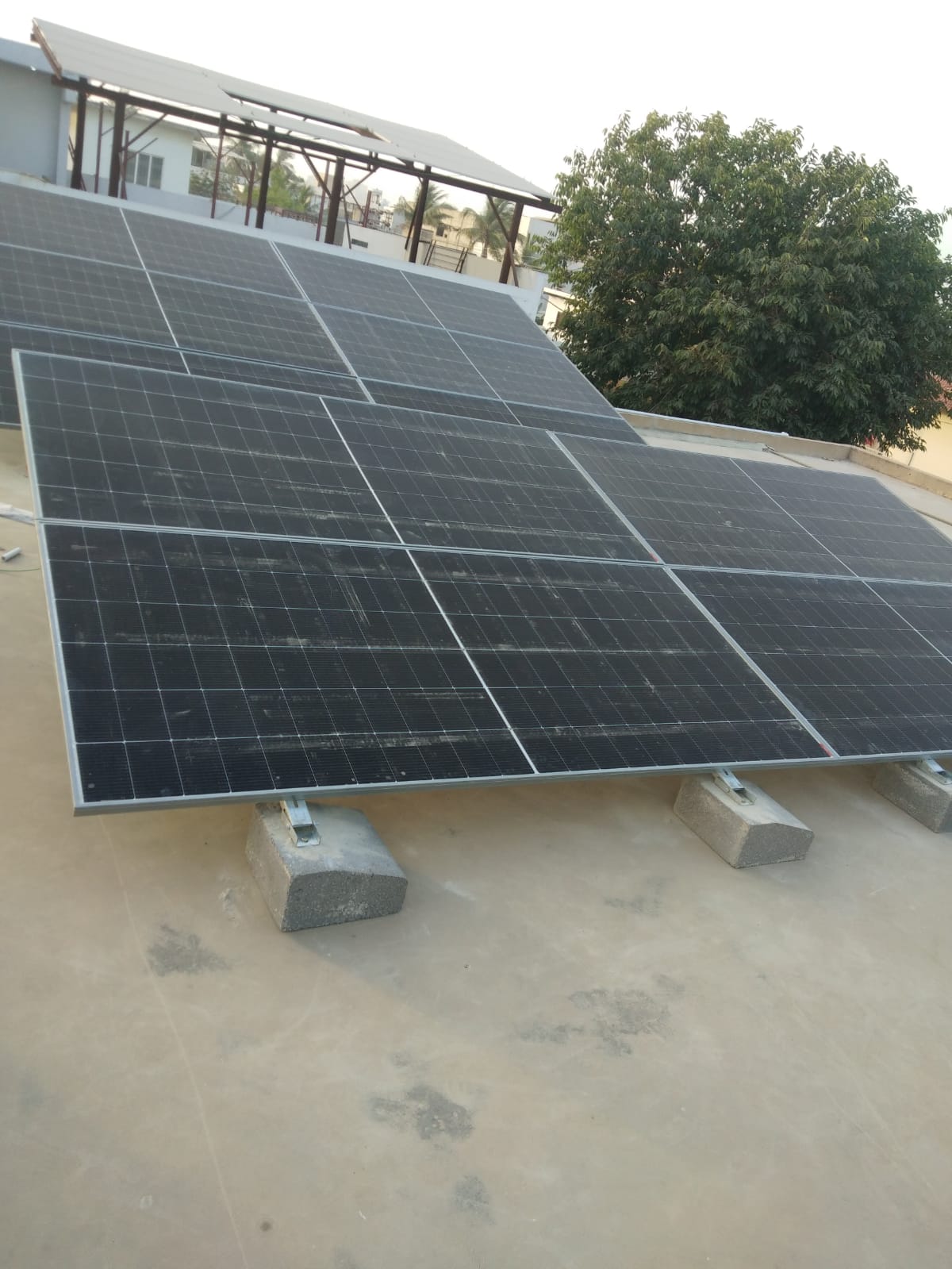
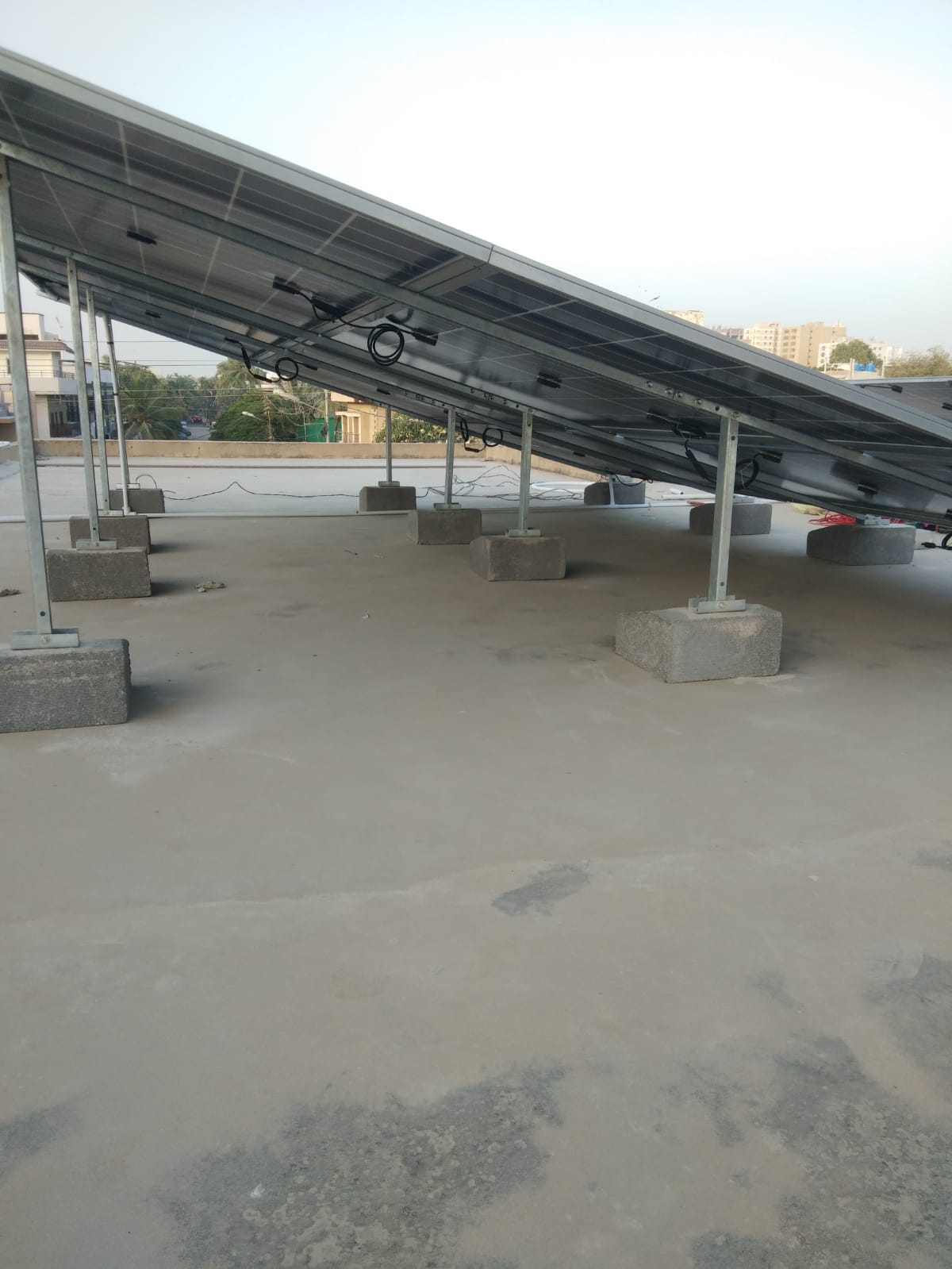
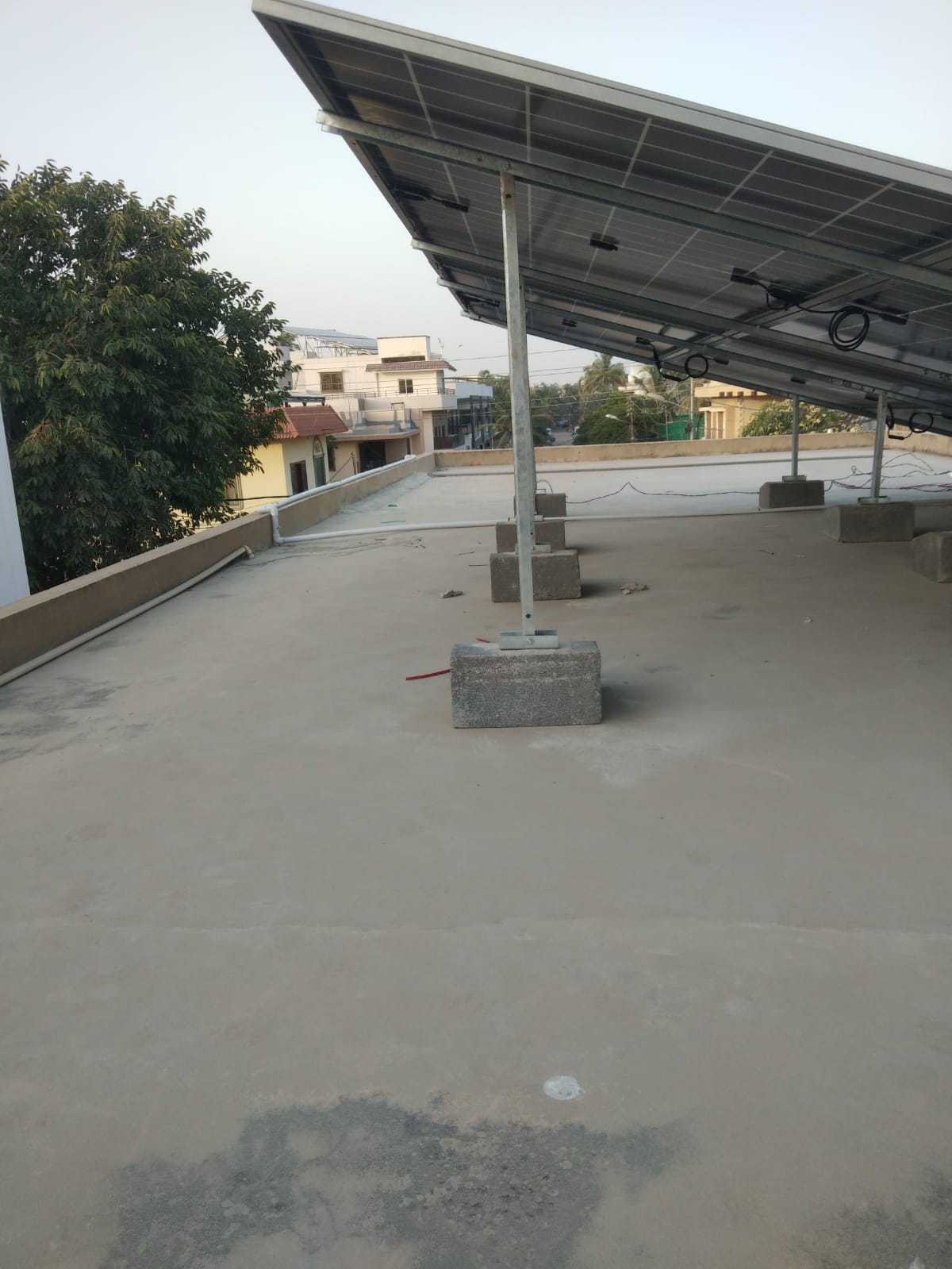
Earthing is easy to overlook until something goes wrong, or until your net metering application gets stuck over a missing compliance step. ZN Solar Energy treats earthing as a core part of every solar earthing solution, not an afterthought. Our team designs earthing and grounding systems around your soil condition, system size, and safety requirements, then tests every installation before signing it off.
As a professional solar installation company in Pakistan, we work only with proven manufacturers and technology providers. Partnering with trusted names like Inverex, Jinko Solar, Solis, Longi, and GoodWe lets us build solar systems that hold up in Pakistan’s climate, for residential, commercial, and industrial clients alike.




Solar earthing involves more than driving a rod into the ground. It requires the right pit design, the right materials for your soil type, and a tested resistance value that meets safety standards. ZN Solar Energy manages each of these steps so your system is properly protected from day one.
We keep DC and AC earthing systems correctly separated, following standard solar safety practice.
We measure and record your earthing system's resistance value to confirm it meets safety requirements.
We add lightning and surge protection where needed, reducing the risk of damage during electrical storms.
We check your soil type and resistivity to determine the right earthing method and pit depth for your property.
We excavate and prepare earth pits to the correct depth and spacing for reliable, long-term grounding performance.
We install chemical or conventional rod earthing electrodes, depending on your soil condition and system requirements.
Let our experienced solar experts help you reduce electricity costs and enjoy efficient, dependable solar power. Contact us today for a free consultation and take the first step toward a brighter, energy-efficient future.
+92 321 9210180
Not every property needs the same earthing method. The right choice depends on your soil condition, available space, and how much current your system needs to safely discharge. We recommend the method that fits your site, not the cheapest option available.
Uses a buried metal plate as the electrode, offering a larger surface area suited to properties with adequate space and normal soil conditions.
Uses a driven metal rod as the electrode, a simpler and more compact option often used for smaller residential systems.
Uses a conductive compound around the electrode to maintain a stable, low resistance value even in dry or rocky soil.
Earthing protects more than your equipment. A properly built solar grounding system protects the people around it and keeps your solar investment running safely for years. It also removes one common obstacle to net metering approval.
Earthing requirements scale with your system size and how the property uses electricity. A home needs a simpler setup than a factory running heavy equipment on the same grid connection. ZN Solar Energy designs earthing systems around your actual property type and system load.
For homeowners who need a safe, code-compliant earthing system for a standard rooftop solar installation.
For offices, retail stores, schools, and hospitals where consistent uptime and equipment protection matter.
For factories and manufacturing facilities with larger systems, higher fault currents, and stricter safety requirements.



Solar earthing gives fault current a safe path to the ground instead of through your wiring or equipment. It protects your system, your property, and anyone near it from electrical faults, and it's often required before your DISCO approves net metering.
DC earthing protects the panel and wiring side of your system, while AC earthing protects the inverter output and grid connection side. Keeping them correctly separated is standard practice for solar safety.
Photovoltaic earthing follows the same core principles as standard electrical earthing, but it accounts for both DC power from the panels and AC power from the inverter. This means a PV system typically needs earthing designed for two separate current paths, not just one.
This depends on your system size and soil condition. Smaller residential systems often need one or two pits, while larger commercial or industrial systems may need more to maintain a safe resistance value.
Chemical earthing uses a conductive compound to maintain a stable resistance value in dry or rocky soil. Plate earthing uses a buried metal plate for larger surface contact, while rod earthing uses a simpler driven rod, often suited to smaller residential systems.
Yes, in most cases. DISCOs check for proper earthing as part of their safety review before approving a net metering connection, so getting this right avoids delays.
Earthing reduces the risk of damage from lightning and voltage surges by giving excess current a safe path away from your equipment. Combined with surge protection, it offers stronger protection during electrical storms.
Ground resistance can change over time due to soil conditions, so periodic testing helps confirm your system still meets safety values. We recommend checking it during routine maintenance visits.